

Belonging beyond service: Helping veterans make a smooth psychological transition
by
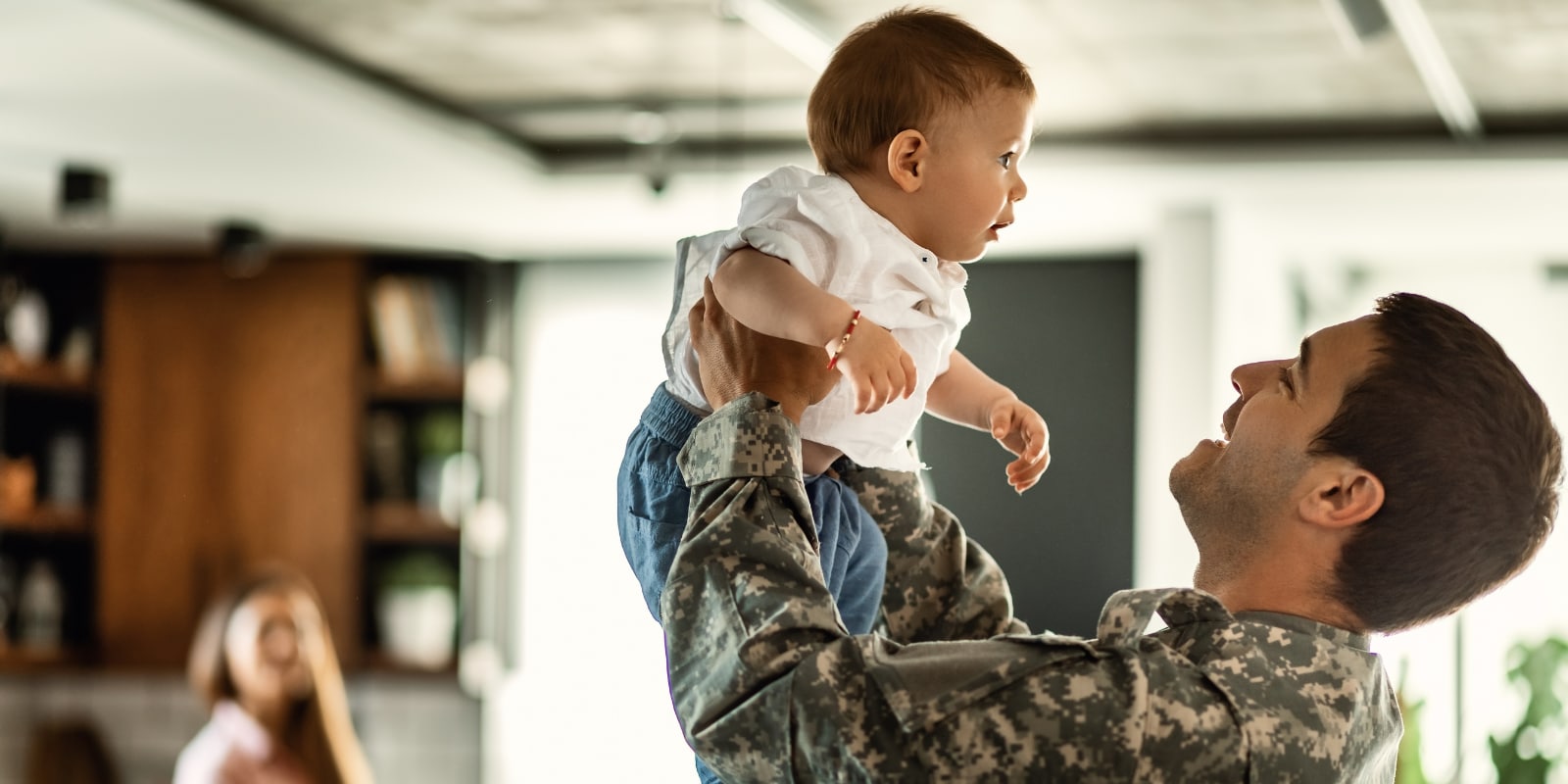
The wider corporate world often treats the transition from military service to civilian life as primarily an employment or reskilling issue. In reality, the most significant challenges are psychological in nature. For veterans to successfully transition and thrive in the private and public sectors, employers must build support structures that address identity, structure, and purpose, not just employment.
For years, service personnel have operated in an environment where daily routines dictate when to wake up, what to wear, and when to eat. In their daily duties, explicit instructions outline exactly what must be accomplished and how it is to be done. They see the same cohesive unit day in and day out, and they know exactly what to expect when they wake up the next day. On top of that, on occasion, they must see or do things that keep them up at night.
Everything operates on a strictly defined routine. Then, almost overnight, everything changes.
During transition, military leavers must find a new job and often a new place to live. In the civilian workplace, new colleagues may perceive them as too assertive when speaking, tasks are highly ambiguous, and peers often lack the same operational sense of urgency. This can lead to profound feelings of isolation, often compounded by a lack of sleep, chronic pain, or anxiety.
Newly retired or separated military personnel face these realities every day. The broader world often treats the transition to civilian life as primarily an employment or reskilling issue, but for many veterans, the challenges are psychological in nature.
Navigating the loss of identity after leaving the military
The military experience is exceptionally immersive. From the first day of basic training, service members are given a clearly defined role, an assigned rank, and a unified purpose. Over time, they develop a set of shared values and an incredibly strong sense of belonging.
‘That sense of belonging that the military prides itself on creating through the Esprit de Corps and fighting spirit makes it really difficult to replicate that sense of community afterwards’, says Lindsay MacDuff, a former UK military officer and host of The Culture Colonel podcast. ‘Some get to work on disengaging from the military process over time, but if you’re medically discharged, for example, quite often you don’t have time to do that preparation phase. You feel like you’ve been cast out, and you don’t have that cocooning support bubble around you. It makes it really challenging for people, especially if they’re struggling with mental or physical health.’
Even with proper training and exit counselling, separating from the military feels like a loss of self to many. On Season 2, Episode 4 of The Culture Colonel podcast, Baz Melia, a 40-year veteran of the British Army, addressed the concept of ‘thwarted belonging’, noting that ‘in the worst circumstances, this can result in mental health issues and suicide’.
Because veterans often feel aimless after leaving the military, resources tend to focus heavily on employment. However, after years or decades of service, the civilian world, including jobs, family dynamics, and the general pace of life, is much less defined and more individually taxing.
Employers who hire veterans without recognising these underlying psychological struggles risk missing out on the best these individuals have to offer. MacDuff notes that, to bridge this gap, the UK’s Defence Employer Recognition Scheme (ERS) provides employers with the necessary resources to understand the immense benefits veterans bring to the workforce.
Rebuilding structure, routine, and self-direction
There is a stark contrast between military and civilian work environments. While the military has highly structured routines, clear expectations for each role, and defined hierarchies based on rank, civilian workers tend to operate in greater ambiguity and self-manage to a much higher degree. When military leavers enter a job that lacks clear structure or a defined career path, they may struggle to translate their values and skills into their new role, especially as the workplace norms that seem second nature to civilian employees may feel entirely foreign to veterans.
‘It is really difficult to operate outside that structure, let alone understand what it’s like to operate outside of an institution you’ve been part of for even four years’, MacDuff notes. ‘For someone who served 25 or 30 years, it’s even more difficult. There’s a whole bunch of written and unwritten rules that people just don’t understand. You’ve got the buddy-buddy system in the military, and there’s not the same support structure there to tap into to help understand what those things are.’
The most significant integrations include:
- Translating military skills and lessons into a language that civilians can relate to.
- Adjusting direct communication styles to conform to broader civilian norms.
- Managing autonomous workloads without clear, ongoing feedback or oversight.
Easing this transition is a shared responsibility:
- Defence organisations must standardise and improve engagement with transition preparation training. Currently, according to a report from the Forces in Mind Trust (FiMT), each Service offers its own version of life skills training, resulting in varying approaches.
- On the civilian side, HR departments can ease transitions by providing clarity during onboarding, offering early support, and setting clearly defined expectations to help veterans anchor themselves in their new environment.
The public sector’s role in successful transitions
While military leavers themselves must take some personal responsibility for their own success, public organisations at other levels of government can also play a critical role in supporting successful transitions. Civil service and public sector roles often serve as excellent stepping stones between military and civilian life, as these entities often have structures and processes that may feel familiar to veterans.
The FiMT report also notes that while progress has been made in this area, gaps remain in consistency and long-term support. At a minimum, effective organisational support should include:
- Recognition of transferable skills. Civilian leaders and managers should understand how skills such as resilience, leadership, and strong decision-making transfer to civilian work.
- Defined roles and responsibilities. Clarity around expectations ensures that the skills of military leaders are not over- or underutilised.
- Career path options. The military’s rank structure means service personnel know what the next step up will be, so civilian managers should communicate what doors are open for veteran employees.
- Mentorship and peer networks. A support network, including other veteran employees when possible, can help recreate the feeling of belonging felt in the military.
- An understanding of military culture and norms. Military leavers will feel less out of place when civilian leaders comprehend why they act or work in certain ways.
- Efforts to establish psychological health and safety. Public sector agencies can use mental health support programmes, psychological assessments, and other tools to help veterans identify and address feelings of isolation.
‘People have often stereotyped veterans as mad, bad, or sad’, says MacDuff. ‘It’s obviously more nuanced than that, but there’s been really good work to help address some of those stereotypes. There are many employers who now recognise the value of those who have served. It is way better than maybe five or 10 years ago. And it continues to improve.’
At the end of the day, the transition process is a collaborative effort between veterans, defence organisations, and the hiring organisation. Employers who proactively build the tools and support structures necessary for psychological transition stand to inherit the unparalleled dedication, loyalty, and work ethic that the military instils.
To learn more about psychological tools that help support military and veteran employees and organisations, check out Pearson’s Armed Forces & Veterans page.