

Why military culture has become a leading indicator of operational risk
by
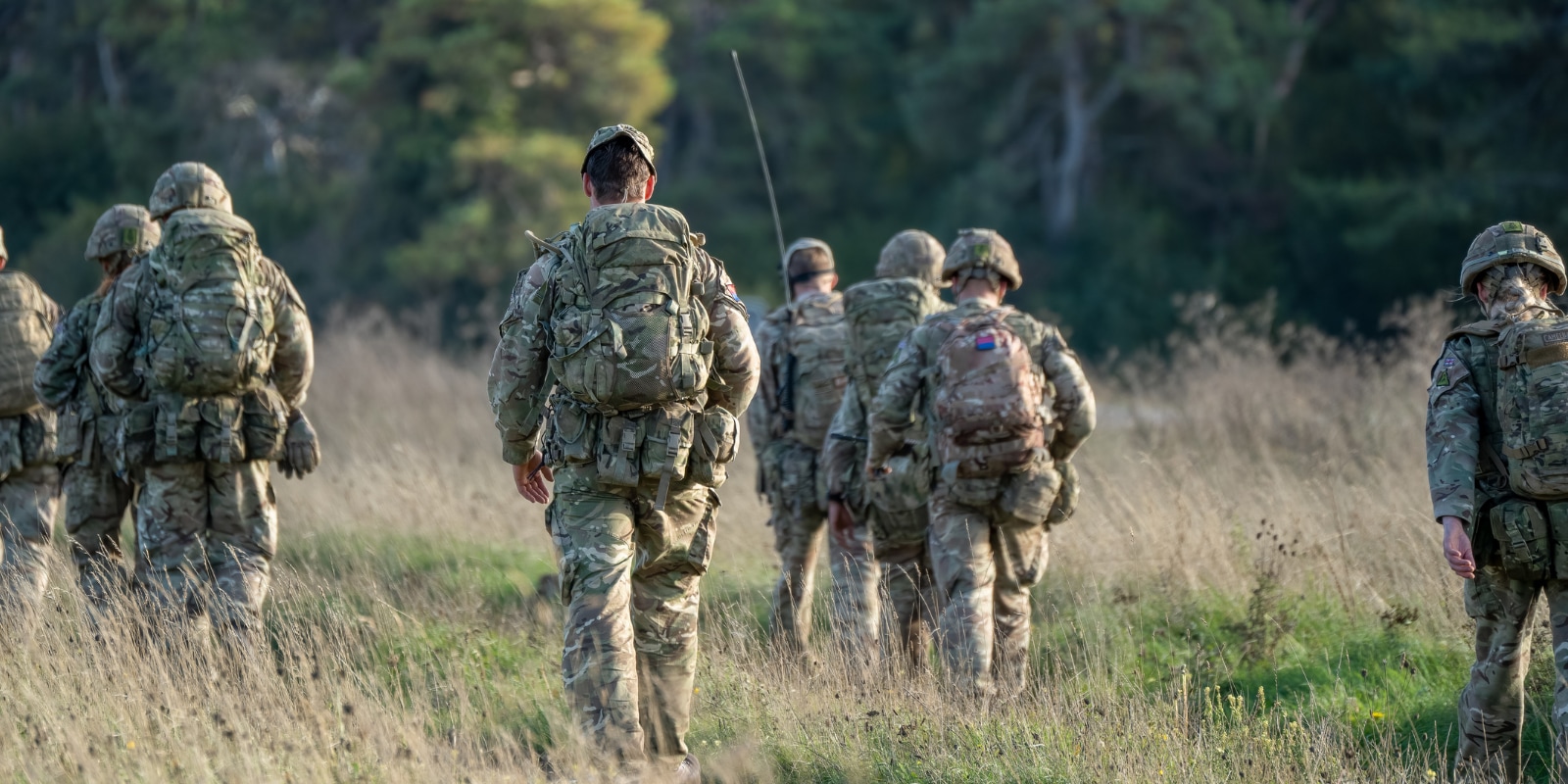
In defence and public service environments, operational failures stemming from cultural problems rarely surface in formal metrics until it is too late. Defence leaders must treat unit culture, specifically the command climate and psychological safety, as an observable, leading indicator of operational risk.
In defence operations, leaders often frame risk in terms of established capabilities, systems, processes, and overall readiness. While these factors matter, over-relying on them means leaders miss early warning signs of trouble. Long before an analytics tool flashes a warning, the command climate emits subtle cultural signs.
The reality of the command climate
There are two distinct cultures within every team: the stated culture and the lived culture. Stated culture exists in policies, values, and leadership briefings. Lived culture is what personnel actually experience, what they expect will be rewarded, punished, or simply ignored.
This distinction is critical because, under pressure, people default to what they are permitted to do rather than what policy dictates. As the late medical leader Aidan Halligan noted, ‘What you permit, you promote.’
Without direct feedback from the personnel executing the work, operational risks easily become hidden, normalised, or sanitised as they travel up the chain of command. Leaders are left believing they have an accurate view of their organisation, while those closest to the ground quietly adapt around unreported problems.
‘There’s an inherent canniness about service personnel when it comes to judging whether leaders are competent or less so’, says Lindsay MacDuff, former UK military leader and host of the Culture Colonel podcast. ‘If you don’t think speaking up is going to be of value, then you’ll just not say anything.’
Identifying cultural drift under pressure
Cultures rarely collapse all at once; they drift. Drift occurs when operations maintain high pressure for extended periods, resources become constrained, or units face unclear direction.
It begins with small compromises:
- Shortcuts or workarounds become normalised because a team has limited resources.
- Near-misses go unreported because nobody wants to attract extra scrutiny.
- Concerns remain unspoken because raising challenges is viewed as a career-limiting move.
Initially, this cultural drift is easily ignored because it masquerades as adaptation, discipline, or efficiency. In reality, these behaviours indicate weakening trust. ‘Failing to address the little things contributes to unhealthy command environments’, MacDuff says.
He highlights a covert practice that emerges when psychological safety deteriorates: ‘There’s an operation called “consent and evade” that you won’t find in the doctrine. You say to a leader, “I’m going to do that”, and then do something completely different. It’s that dip and dazzle, the gap between what you say upwards and downwards.’
Unfortunately, witnessing this poor culture and remaining silent as a bystander actively fuels the risk.
Psychological safety as an operational discipline
In a military context, psychological safety does not equate to comfort or consensus. For operators, it is a disciplined openness: the clear understanding that raising concerns, admitting mistakes, or challenging decisions will not be used against them.
The military is a hierarchical organisation that makes clear authority and unit cohesion essential. However, without a healthy culture of reasonable challenge, those organisational strengths degrade into groupthink.
‘People become silent “yes men”, and there becomes this mini-me culture where everyone is a replication of the boss’, MacDuff explains. ‘But contrary views often generate the best solutions. That’s why we war-game proposed plans and have people playing the opposition, to identify weaknesses in the plan. Sometimes that contrariness is sidelined or paid lip service to if the inconvenient truth doesn’t sit well with the doctrine, and as a result, you mask the vulnerabilities.’
This is where reasonable challenge becomes an essential operational tool. High–performing teams do not challenge decisions to be difficult; they do it because operational decision-making improves when assumptions are tested. When leaders treat challenges as disloyalty, they quickly lose access to the very perspectives they need to expose risk before it turns into failure. A team lacking psychological safety may appear orderly on the surface, but it is ultimately brittle. Teams with high psychological safety are significantly more resilient; they adapt under pressure and detect issues faster.
It is important to remember that the goal of challenge culture is much like war gaming. It is not to undermine the chain of command, but to ensure the hierarchy allows the truth to travel upwards.
The strategy: From awareness to measurement
To prevent risk from brewing, leaders must establish structured ways to observe cultural signals.
The Chilcot Checklist, developed from the findings of the Iraq Inquiry in The Good Operation handbook, was designed to improve judgement, challenge, and realism in operational policy and delivery. It focuses on simple, critical questions, such as:
- What is happening now?
- What might happen next?
- How will you monitor performance?
When leaders ask these questions, they align more closely with their teams and tend to make decisions that positively influence unit culture.
However, informal judgements have their limits. MacDuff warns that ‘reliance on a single point of information has serious risks with it.’ Leaders need more than standard reports to gain a holistic view of their command environment. To lift what MacDuff calls the ‘iceberg of ignorance’, leaders should utilise evidence-based psychological and behavioural assessments. These tools provide a repeatable framework to understand how a command style is experienced by others, which moves beyond the blind spots of traditional reporting.
Progress and operational success ultimately require authentic leadership. If leaders are determined to build highly effective teams, they need to commit to cogent communications, persistent engagement, and the genuine establishment of psychological safety.
As Field Marshal Sir William Slim told the officers at Fort Knox in 1950: ‘Know your men! The basis of all leadership is knowledge of men.’ Were he speaking today, he would undoubtedly say, ‘Know your people.’
Regardless of the phrasing, the essence of command remains the same: understanding your personnel is the core requirement for building trust, eliciting discretionary effort, and guaranteeing operational readiness.
Check out Pearson’s Government & Public Safety page to learn more about how psychological and behavioural assessments help support better leadership and build stronger teams.